
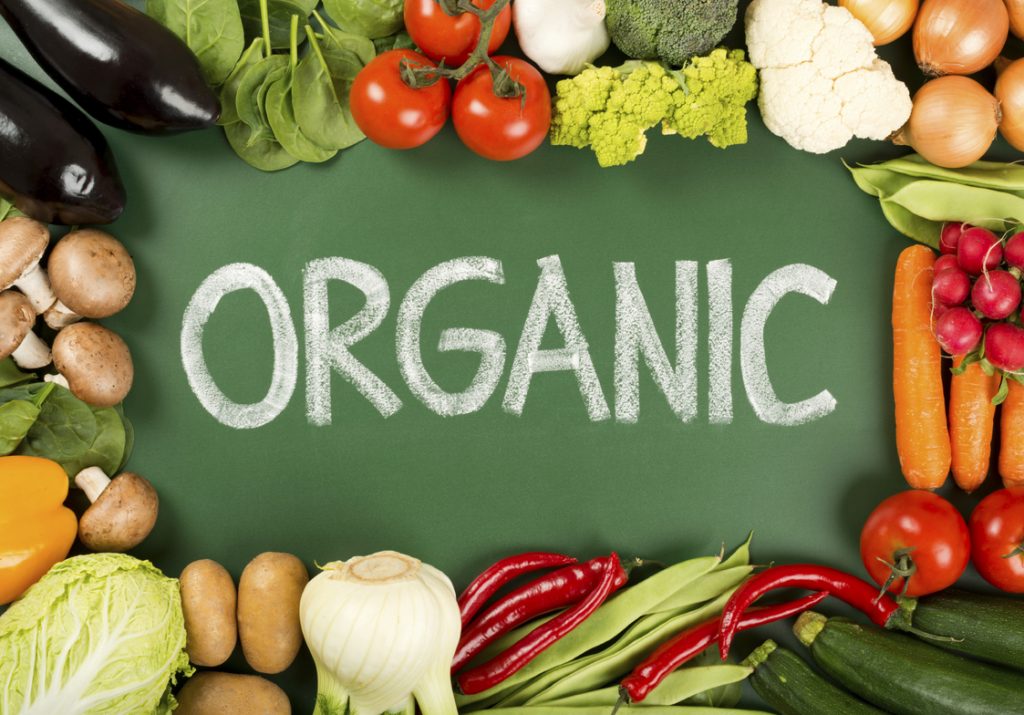
Organic Food Has Fewer Chemicals—And Your Body Thanks You for It
The first thing that pushed me toward organic food was the realization of how heavily conventional crops rely on pesticides. Fruits and vegetables may look fresh and shiny, but many carry traces of chemicals that, over time, accumulate in our bodies. I always wondered why something as natural as an apple should need a layer of chemicals to grow.
Organic farming avoids synthetic pesticides and uses natural methods like crop rotation and biological pest control. This means fewer unwanted chemicals entering our bloodstream. And here’s the best part: when I switched to organic produce, I noticed I felt less bloated, my digestion improved, and I didn’t get that uneasy feeling after eating fruits straight out of the refrigerator.
When your food is cleaner, your body quietly functions better—even if you don’t realize it at first.
It Is Naturally Richer in Essential Nutrients
One of the most surprising things I learned about organic fruits and vegetables is that they often contain higher levels of vitamins and minerals than non-organic ones. It makes sense when you think about it. Plants grown in healthier soil, without chemical interference, tend to develop stronger nutrient profiles.
For example:
Organic leafy greens often have higher iron and magnesium.
Organic berries may contain significantly more antioxidants.
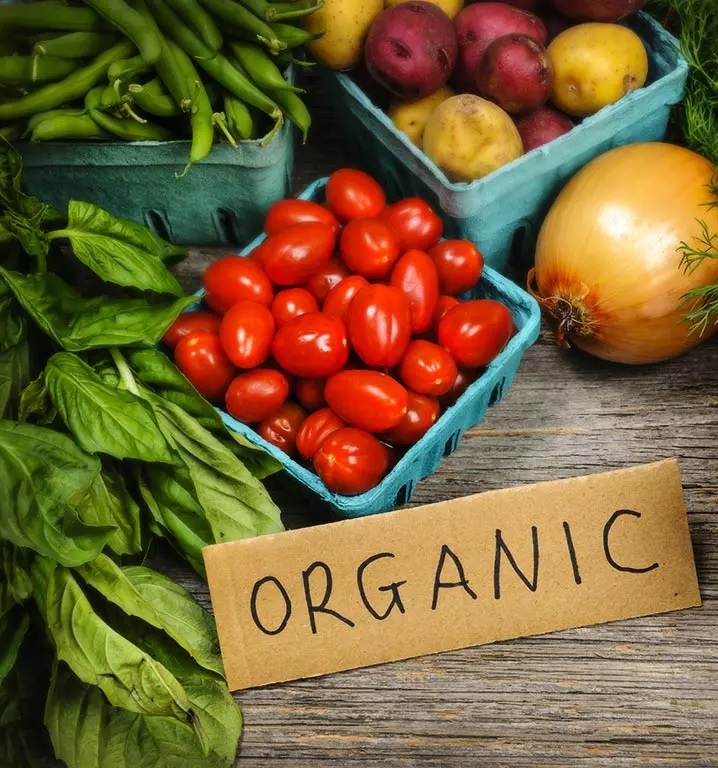
Organic tomatoes are said to have higher levels of vitamin C and certain phytonutrients.
When I compared them visually, organic produce sometimes even had deeper colors, which, in many cases, reflect richer nutrients. Switching from regular vegetables to organic ones felt like upgrading from “good enough†to “exactly what my body needs.â€
More Antioxidants Means Better Immunity and Slower Aging
I used to think antioxidants were just buzzwords used by brands, but once I understood their role, they became non-negotiable for me. Antioxidants help fight free radicals—unstable molecules that accelerate aging and weaken the immune system.
Organic foods often have higher antioxidant levels because they grow without synthetic fertilizers. When plants have to defend themselves naturally, they produce more protective compounds. These compounds benefit us too.
For me, this meant:
fewer colds and infections during seasonal changes,
healthier skin with a natural glow,
and feeling less tired even on long workdays.
Eating organic berries, nuts, and vegetables became my low-effort, high-reward habit for long-term health and beauty.
Organic Food Is Better for Your Gut—Your Second Brain
Over time, I realized that good digestion is the root of good health. Even if you eat something nutritious, your body must digest and absorb it well. This is where organic food truly stands out.
Organic farmers use natural fertilizers and microbial-rich soil practices. This means the produce retains a more diverse microbiome. When we eat organic food, we consume tiny beneficial microorganisms that support our gut health.
Better gut health has many benefits:
Smoother digestion
Less acidity and bloating
Better absorption of nutrients
Improved mood (since the gut is connected to the brain through the gut–brain axis)
After switching to organic, the first improvement I noticed was how light I felt after meals. No heaviness, no afternoon crashes—just clean energy.
No GMOs—And You Know Exactly What You’re Eating
This benefit is something many people overlook. GMOs (genetically modified organisms) are often engineered for higher yield or pest resistance. While not all GMOs are harmful, the main concern is lack of long-term studies on how they affect our bodies.
Organic foods are strictly grown from natural, unmodified seeds. When I realized this, I felt more in control of what I was eating. I knew that the food on my plate was exactly what nature created—not something altered in a lab.
Choosing non-GMO organic foods gave me peace of mind. Eating should never feel like an experiment on your health.
Better Heart Health—Especially Through Organic Dairy and Meat
This benefit surprised me the most. Organic dairy and meat come from animals raised without hormones, antibiotics, and artificial feed. These animals graze on natural grass, which increases the level of Omega-3 fatty acids in their milk and meat.
Omega-3s are known for:
reducing inflammation
improving heart health
supporting brain function
lowering cholesterol levels
When I switched to organic milk and eggs, not only did they taste richer, but I also noticed I felt more satiated with smaller portions. It’s like my body recognized the purity and quality.
Better for Kids—And That Alone is Worth Everything
If you’ve ever watched a child grow, you know how sensitive their developing systems are. Their bodies absorb nutrients—and toxins—more intensely than adults. This actually changed my perspective on organic foods the most.
Children who consume organic diets have shown:
lower levels of pesticide residues
fewer behavioral and attention-related issues
stronger immune response
Feeding kids organic food means reducing exposure to chemicals during the years that matter most. Even if an adult doesn’t switch completely, doing so for children can make a remarkable difference.
Organic Food Tastes More Real—Because It Truly Is
This is something I didn’t expect at all. Organic food tastes different—better, more alive, more flavorful. The first time I bit into an organic mango, I realized how much sweetness and aroma I’d been missing in the fruits I’d been eating for years.
Why does organic food taste better?
Because it grows slower, naturally, and is allowed to ripen fully instead of being forced by chemicals or gas.
This richer taste motivated me to eat more fruits and vegetables naturally, without forcing myself. Eating healthy became enjoyable, not a chore.
Organic Food Supports Detoxification Naturally
Our body has its own detox system—liver, kidneys, lymph nodes, skin. But when we eat foods loaded with chemicals, preservatives, and artificial colors, our detox system gets overwhelmed.
Organic food helps lighten the load. When your meals are clean, your body can focus on repairing, healing, and flushing out toxins instead of battling new ones.
I noticed:
clearer skin,
fewer headaches,
better sleep,
and a general feeling of freshness.
Detox doesn’t always need fancy juices—sometimes, it just needs cleaner food.
Long-term Health Protection—A Quiet Investment in Your Future Self
One thing I realized is that good health is not built in a day. It’s the result of everyday choices—small, simple, consistent. Organic food might seem like a minor change, but over months and years, it becomes a powerful act of self-care.
Studies link organic diets with:
lower risk of obesity
reduced risk of certain cancers
improved fertility
balanced hormones
stronger metabolism
When I think of organic food now, I don’t see it as just fruits or vegetables. I see it as a long-term investment in the well-being of my future self.And honestly, that thought alone makes organic food worth every penny.
Final Thoughts:
Why I Can’t Go Back to Non-Organic Food Switching to organic food isn’t about being perfect. It’s not about buying everything organic or spending a fortune. It’s about making conscious choices where possible and choosing quality over quantity.
The more I learned and experienced these benefits, the more I understood one thing:
Organic food doesn’t just nourish the body it respects it.
And once you feel the difference—even in small ways it becomes hard to ignore.
Whether you start with just organic fruits, or milk, or leafy greens, even a little step in this direction can transform your health in ways you might not expect. I didn’t realize it at first but now, I cannot imagine going back.